


Off-road motorcycle riding can look intimidating when you are new to it. Uneven trails, loose dirt, steep sections, mud and the occasional fall can make you wonder: “Is off-road riding really for me?”
For many women interested in riding, the biggest barriers aren't necessarily physical. They are often questions around confidence, safety, fitness, motorcycle weight and simply knowing where to start.
The good news? You don't need to be an expert rider to start learning off-road riding. With the right motorcycle, training, protective gear and a supportive environment, you can build your skills one step at a time.
Here are five common concerns that hold women back from off-road motorcycle riding — and how to overcome them.
1. “I'm worried I won't be able to handle the motorcycle.”
Motorcycles can feel heavy and intimidating, especially when you're standing beside one rather than riding it. Off-road riding can add another layer of uncertainty because the motorcycle moves differently on loose or uneven surfaces.
But handling an off-road motorcycle isn't simply about strength.
Technique matters.
Learning how to use your body position, throttle, clutch, brakes and momentum effectively can make a significant difference. You also don't have to start with a large or powerful motorcycle.
How to overcome it
-
Start with a motorcycle that suits your size and experience.
-
Learn basic off-road riding techniques before tackling challenging trails.
-
Practise standing on the footpegs and controlling the motorcycle at low speeds.
-
Learn how to pick up a fallen motorcycle safely.
-
Build confidence gradually rather than trying to master everything on your first ride.
The goal isn't to prove that you can handle the biggest motorcycle. It's to find a motorcycle and riding technique that you can control confidently.
2. “What if I fall?”
This is probably one of the most common concerns for anyone new to off-road riding — and completely understandable.
Unlike riding on the road, falling is often part of learning off-road motorcycle riding. Loose dirt, rocks, ruts and uneven terrain can catch even experienced riders off guard.
The important thing is learning how to fall safely and how to get back on.
How to overcome it
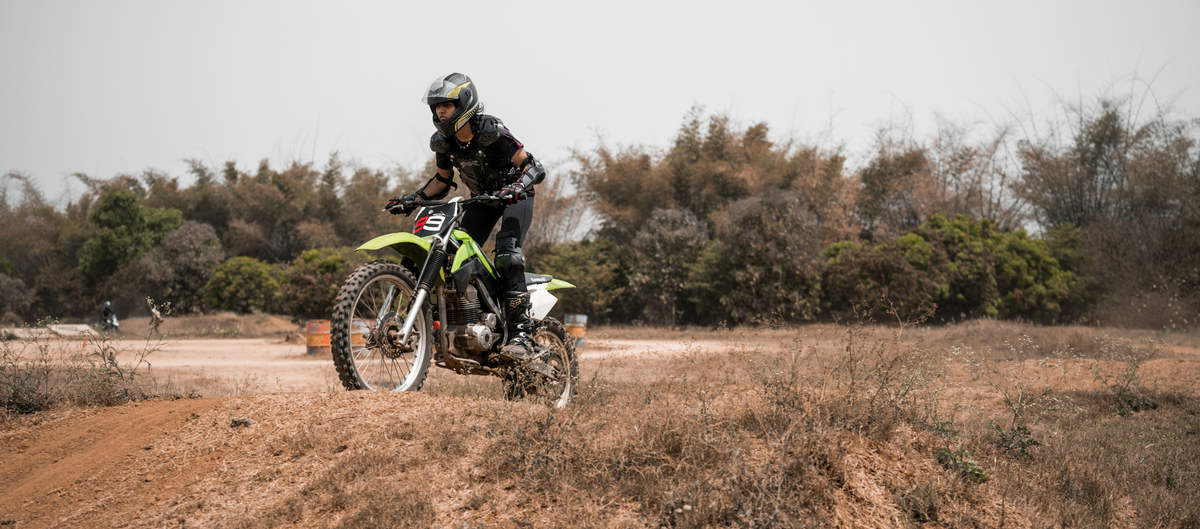
Proper protective gear is your first line of defence.
A basic off-road riding setup should include:
-
Helmet
-
Goggles
-
Gloves
-
Riding boots
-
Knee protection
-
Elbow protection
-
Body protection
-
Appropriate riding gear
Professional instruction can also teach you how to approach obstacles, maintain balance and control the motorcycle when traction changes.
And remember: a fall doesn't automatically mean you've failed. Sometimes, it simply means you're learning.
3. “I'm not physically strong or fit enough.”
You don't need to be an athlete to start riding off-road.
Yes, off-road riding can be physically demanding. You may spend considerable time standing on the motorcycle, moving your body around, controlling the bike and riding over uneven terrain.
But fitness develops alongside riding.
How to overcome it
Start with shorter sessions and focus on developing technique rather than riding for hours.
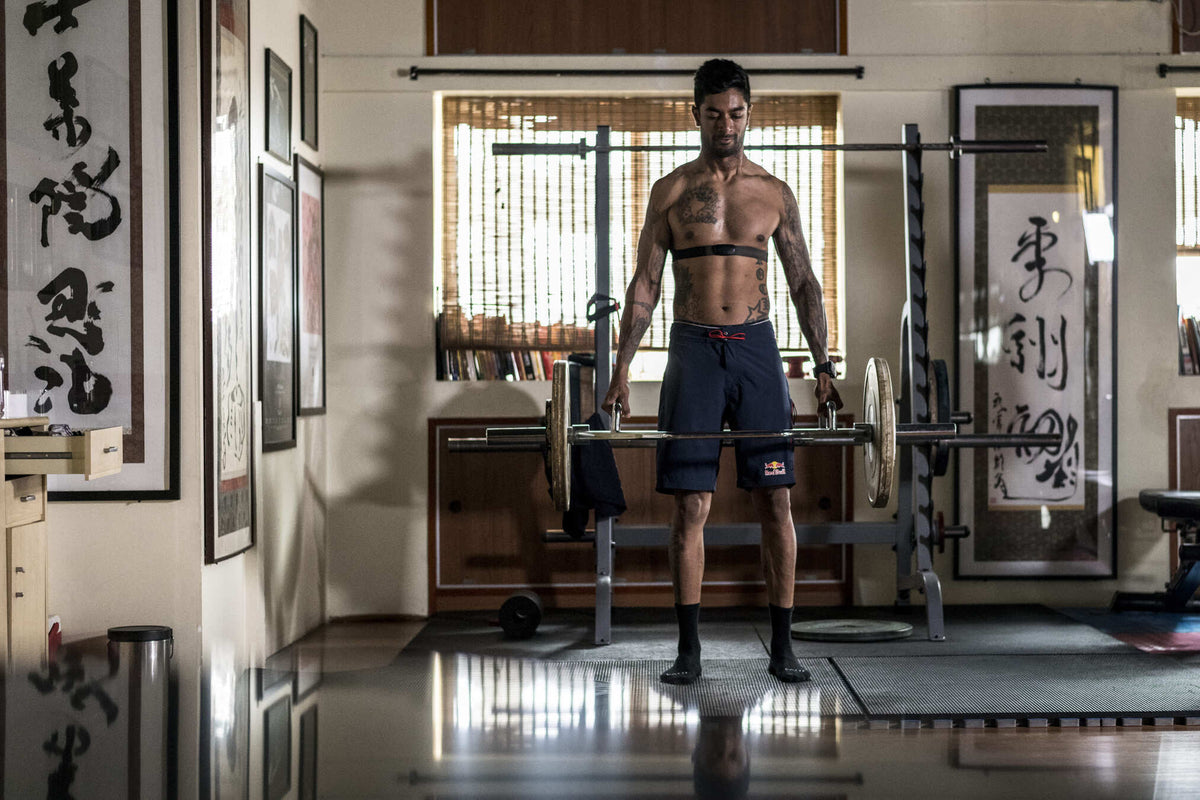
Simple exercises that build:
-
Core strength
-
Leg strength
-
Grip strength
-
Balance
-
Cardiovascular fitness
can help improve your riding endurance.
More importantly, good riding technique reduces unnecessary physical effort. Learning to let the motorcycle move underneath you rather than fighting every movement can make riding considerably easier.
You don't have to become fitter before you start. Riding can be part of the process.
4. “I don't know where to start.”
This is a big one.
You may have watched off-road riding videos, followed women riders online or seen motorcycles tearing through dirt trails — but knowing what to do yourself can be difficult.
Should you buy a motorcycle first? Do you need motocross experience? Can you ride if you've only ridden on the road?
The answer is: start with structured learning.
How to overcome it
Look for a reputable motorcycle training facility or off-road riding school that offers beginner-friendly programmes.
A good introduction should cover fundamentals such as:
-
Motorcycle controls
-
Body positioning
-
Clutch and throttle control
-
Braking on loose surfaces
-
Standing technique
-
Cornering
-
Riding over basic obstacles
-
Hill climbs and descents
-
Motorcycle recovery techniques
Starting in a controlled environment gives you the opportunity to make mistakes, ask questions and gradually build confidence before moving onto more challenging terrain.
You also don't necessarily need to own an off-road motorcycle to begin. Training programmes that provide suitable motorcycles can be an excellent way to discover whether off-road riding is right for you before investing in your own bike.
5. “Will I feel comfortable riding in a male-dominated environment?”
Motorcycling has traditionally been perceived as a male-dominated space. For women who are new to off-road riding, that can sometimes create an additional psychological barrier.
You may worry about being the least experienced rider in the group, slowing everyone down or simply feeling out of place.
But you don't need to compete with anyone.
Your first off-road ride is about learning, not proving yourself.
How to overcome it
Look for professional riding schools, communities and programmes that actively welcome women riders and beginners.
Riding with people who understand that everyone starts somewhere can make a huge difference to your confidence.
Women-focused riding programmes can be particularly useful because they create a more relaxed environment where you can learn at your own pace, ask questions freely and meet other women who are also discovering off-road riding.
And don't underestimate the value of community. Having someone beside you who says “I've been there too” can make that first ride feel much less intimidating.
You Don't Have to Be Fearless to Start Riding
The idea that you need to be fearless before getting onto a motorcycle is misleading.
You can be nervous and still ride.
You can be inexperienced and still learn.
You can fall and get back on.
Off-road motorcycle riding is a skill, and like any skill, it develops through practice, guidance and experience.
If you've been thinking about trying off-road riding but have been held back by concerns about motorcycle weight, falling, fitness, safety or simply not knowing where to begin, don't wait until you feel completely ready.
Start small. Learn properly. Ride within your limits. And let confidence come with experience.
Because your first off-road ride doesn't have to be perfect.
It just has to happen.
Ready to Try Off-Road Riding?
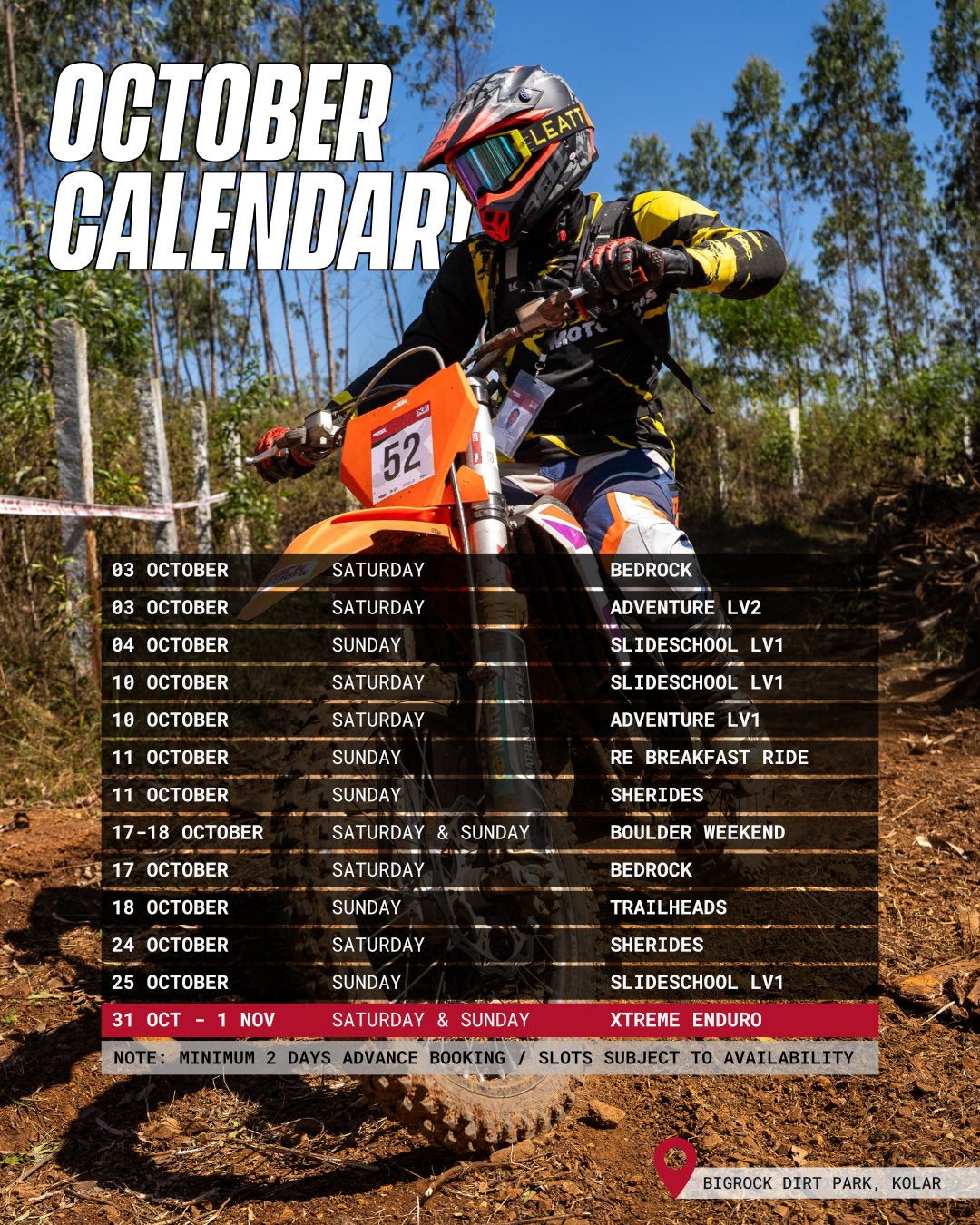
Explore She Rides at BigRock Dirt Park and discover off-road motorcycle riding for women in a dedicated environment designed for learning, practice and fun.
Still have questions, hit us on Whatsapp to talk to an expert instructor.
Written by Pavithra Hegde

Pavithra is a Mangalore girl who has called Bengaluru home for the last 12 years. Working in tech, she has spent over a decade in the corporate world — but riding a motorcycle was always something she wanted to experience.
After years of keeping it on her “someday” list, Pavithra finally decided to take the plunge. What started as a long-held curiosity quickly turned into a love for getting out on two wheels, getting a little dirty, falling a few times, and learning along the way.
For Pavithra, off-road riding is about stepping out of her comfort zone, embracing the challenge, and discovering just how much fun two wheels can be.
Share:
Off-Road Riding Fitness: Strength, Stamina & Mobility Guide